
 Apple
Apple
 Samsung
 Google Pixel



How Are Phone Cases Made?
Phone cases have become an essential accessory for modern smartphones, offering not only protection but also a way to express personal style and functionality. In today’s market, you can find phone cases in a variety of materials, each with its unique advantages. Whether you’re looking for something sleek and stylish, rugged and durable, or eco-friendly and sustainable, the world of phone cases is as diverse as smartphone designs themselves.
But have you ever wondered how these cases are made? From waterproof designs that shield your device from water damage to stylish abalone shells that add a touch of luxury, the process of crafting a phone case involves fascinating techniques, innovative materials, and a lot of attention to detail.
In this guide, we’ll take a deep dive into the manufacturing processes behind various phone case materials. From silicone to leather, transparent cases to the luxurious abalone shell designs, we’ll explore the different methods used to create these accessories that not only protect but enhance your smartphone experience.
How Waterproof Phone Cases Are Made
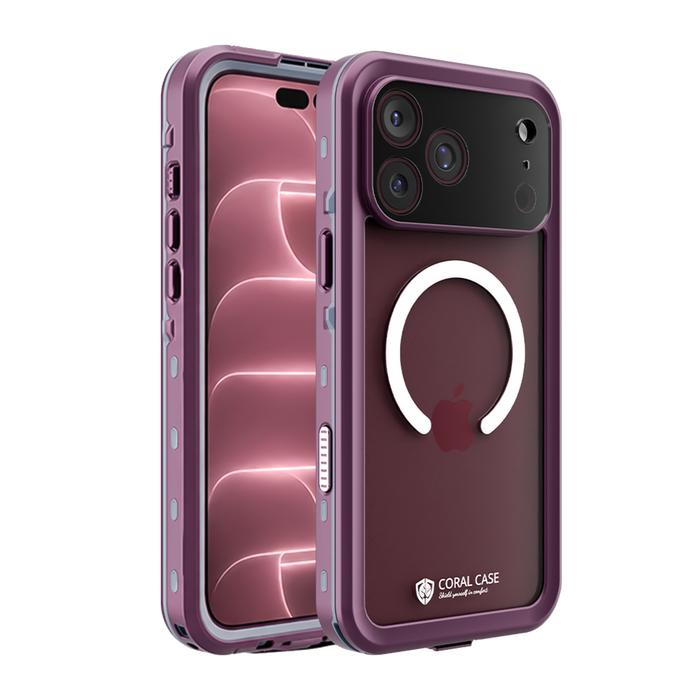
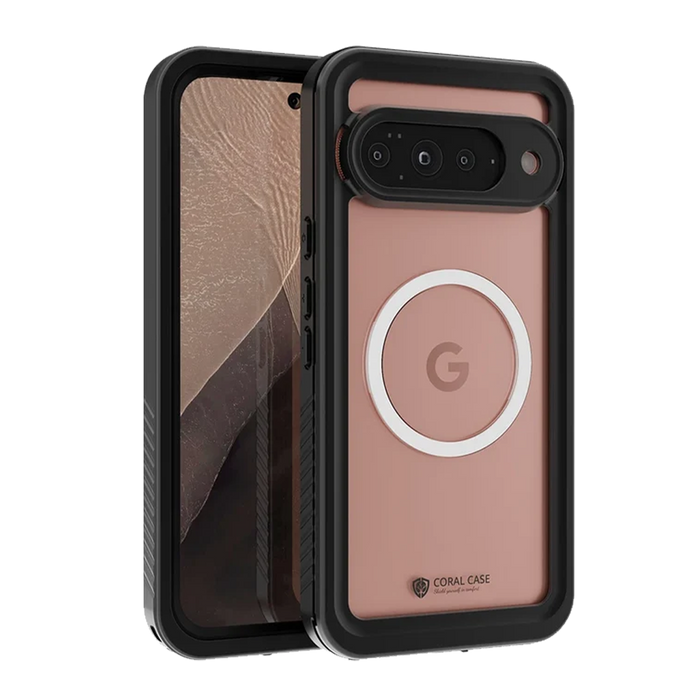
Waterproof phone cases are among the most popular types of cases available today. Given the increasing reliance on smartphones for everyday activities, from banking to taking pictures in the rain, it’s no surprise that waterproof cases are in high demand. These cases provide critical protection against accidental drops in water, spills, or even complete submersion, ensuring your device stays safe and functional. Read Coral Cases’ top-rated iPhone 17 Pro Max lifeproof waterproof cases and iPhone 16 Pro Max lifeproof waterproof cases.
Material Selection:
To make phone cases waterproof, manufacturers typically use materials such as silicone, thermoplastic polyurethane (TPU), and rubber. These materials are chosen for their excellent water-resistant properties, flexibility, and durability. Silicone, in particular, is prized for its ability to create airtight seals, preventing water from entering. TPU is often used due to its strength and shock-absorbing qualities.
Manufacturing Process:
The first step in producing a waterproof phone case is to select high-quality materials that can withstand exposure to water. After the material is chosen, the manufacturing process begins with molding or casting. Injection molding is commonly used, where heated liquid material is injected into molds to create the desired shape.
For waterproof cases, particular attention is given to the sealing and fitting process. Specialized gaskets, seals, or rubberized edges are used to create a watertight barrier. Manufacturers also apply specialized coatings to enhance the case’s water resistance.
Innovative Features:
Waterproof phone cases often feature extra protective elements, such as airtight seals around the edges, reinforced corners for shock resistance, and even built-in screen protectors. Many cases are also tested with rigorous IP ratings (Ingress Protection ratings), such as IP68, which ensures that the case can withstand prolonged exposure to water up to a certain depth and duration. The waterproofing is tested by submerging the cases under controlled conditions to ensure they meet these standards.
How Silicone Phone Cases Are Made
Silicone phone cases are incredibly popular due to their flexibility, shock-absorbing properties, and ease of use. These cases are a favorite for people who want a soft, comfortable grip with superior protection against drops and impacts.
Material Benefits:
Silicone is a rubber-like material that stands out for its flexibility, softness, and ability to absorb shock. It provides excellent protection against drops and bumps, making it a go-to option for anyone seeking a balance between style and durability. Additionally, silicone cases are non-toxic, hypoallergenic, and can withstand extreme temperatures.
Manufacturing Process:
The production of silicone phone cases typically begins with the creation of a mold. Silicone is poured into these molds using either injection molding or compression molding techniques. In injection molding, silicone is heated until it becomes liquid and then injected into molds under pressure. Compression molding involves placing the silicone material into a mold and applying heat and pressure to shape the material.
Once the silicone is cooled and solidified, the case is carefully removed from the mold. The edges and corners are smoothed, and any imperfections are corrected. The silicone cases are then tested for quality control and ensured to meet safety and performance standards.
Customization:
Silicone cases are highly customizable in terms of texture, color, and design. Manufacturers often offer options to add unique finishes, patterns, or even custom branding. The silicone material can be injected with colorants or textured to create a unique look and feel. Additionally, these cases often come in a wide variety of colors and can be personalized to suit individual preferences.
How Leather Phone Cases Are Made
Leather phone cases offer a premium, sophisticated look that appeals to those who prefer a more luxurious and stylish accessory for their device. These cases are crafted with high-quality leather, often complemented by thoughtful stitching and designs that provide a refined aesthetic while still offering protection.
Material Selection:
Leather, both genuine and synthetic (vegan leather), is selected for its durability, natural beauty, and texture. Genuine leather is known for its strength, flexibility, and longevity, while vegan leather offers a cruelty-free alternative with similar aesthetics and texture. The leather is sourced from high-quality tanneries that ensure consistency in grain, color, and texture.
Crafting Process:
The process of making leather phone cases is a meticulous one. Leather is first cut into precise shapes using specialized machines or hand tools. Afterward, the leather is treated through a tanning process to enhance its durability, flexibility, and resistance to wear. The tanning process also prevents the leather from deteriorating or cracking over time.
Once the leather is ready, it is stitched together by hand or machine, creating the final structure of the case. Stitching can be a delicate process, as it requires precision to ensure both strength and appearance.
Finishing Touches:
Leather phone cases are often finished with special touches such as embossed logos, color dyeing, or the application of a protective coating to maintain the leather’s beauty. The interior of the case is often lined with soft fabric or microfiber to prevent scratches on the phone’s surface.
How Transparent Phone Cases Are Made
Transparent phone cases are a popular choice for those who want to showcase the original design and color of their smartphone while still providing a layer of protection. These cases are typically made from clear materials like acrylic, polycarbonate, or TPU.
Material Selection:
Polycarbonate and TPU are the most common materials used in transparent phone cases. Polycarbonate is a strong, impact-resistant material that offers excellent clarity, while TPU is more flexible and also provides shock-absorbing qualities. Acrylic, though less commonly used for phone cases, is another material that can offer high transparency and durability.
Manufacturing Process:
The production of transparent phone cases begins with the selection of clear polycarbonate or TPU. In most cases, the material is heated and then injected into molds using an injection molding process. After the material cools and solidifies, the case is removed from the mold.
One of the challenges of making transparent cases is maintaining clarity. Manufacturers use special treatments or coatings to prevent yellowing, which can occur over time due to exposure to UV light or regular wear. To enhance the durability of the case, some transparent cases also incorporate shock-absorbing bumpers or additional protective layers around the edges.
Customization and Protection:
Transparent cases often come with customization options, such as adding a logo or custom pattern through printing, engraving, or decals. Some transparent cases feature bumpers or extra layers to provide additional protection without compromising the clear appearance of the case.
How Abalone Shell Phone Cases Are Made
Abalone shell phone cases are a unique and luxurious option, combining natural materials with exceptional craftsmanship. These cases are crafted to showcase the iridescent beauty of the abalone shell, making each case one-of-a-kind.
Material Sourcing:
Abalone shells are sourced from sustainably harvested marine environments. The shells are carefully collected and cleaned to ensure their beauty and durability. Abalone shells are known for their vibrant, colorful, and shimmering hues, making them a prized material in phone case production.
Crafting Process:
Creating abalone shell phone cases requires expert skill. The shells are first cut into thin sheets and then carefully layered onto a base material, such as polycarbonate or TPU. The shell layers are glued into place, and the case is sanded and polished to ensure a smooth, even surface.
The craftsmanship involved in creating these cases is meticulous. Each shell is selected for its unique color patterns, ensuring that every phone case is a work of art. The final product is often coated with a protective layer to preserve the natural beauty of the shell and to prevent damage.
Customization and Features:
Abalone shell cases are often customized with additional layers for added protection, such as shock-absorbing bumpers or protective coatings. The iridescent patterns and the luxurious finish make these cases a statement piece, and many people opt for abalone shell cases as a way to showcase their unique style.
Conclusion
From waterproof designs to the luxurious feel of abalone shells, the process of making phone cases is an art that involves both innovation and precision. Each material, whether it’s silicone, leather, or abalone shell, offers distinct advantages and features that cater to different tastes and needs. When choosing the right phone case, it’s important to consider not just the aesthetic appeal, but also the protection and durability the case provides.
No matter what type of phone case you prefer, understanding how these accessories are made can give you a deeper appreciation for the craftsmanship that goes into their creation. If you’re ready to find the perfect case for your device, CoralCase offers a wide selection of high-quality, durable phone cases that combine functionality, style, and protection to meet your needs.


